
Key Pillars and Rituals of Hajj: A Step-by-Step Overview
Key Pillars and Rituals of Hajj: A Step-by-Step Overview
Hajj is a meticulously structured act of worship comprising essential pillars (Arkan) and obligatory acts (Wajibat). These rituals must be performed in a specific sequence for the pilgrimage to be valid. This process is equally critical for those undertaking Hajj Badal (Proxy Hajj), as the representative must replicate every action with precise intention on behalf of the beneficiary.
Initial Rites: Ihram and Arrival in Mecca
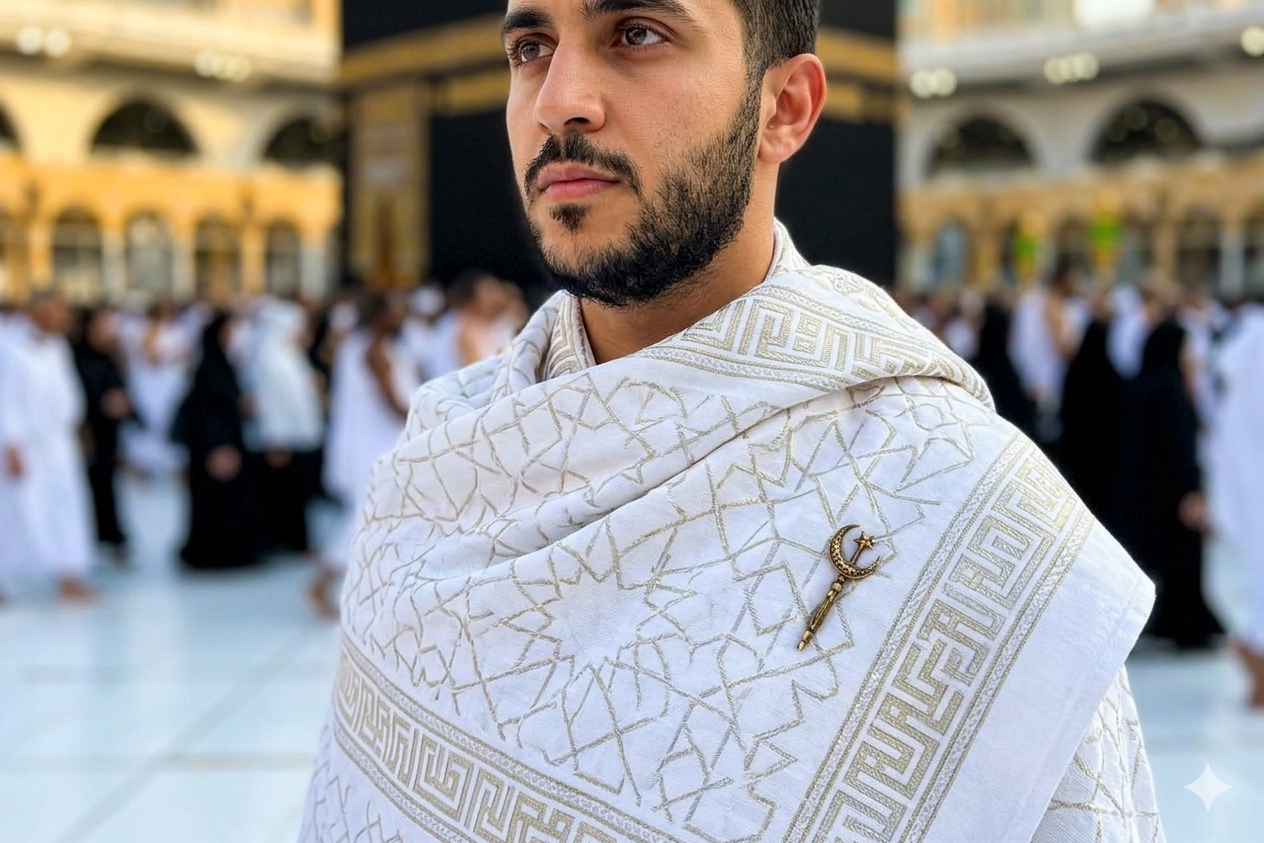
The journey begins with assuming Ihram, a state of consecration involving a formal intention and the donning of simple white garments. This state signifies humility and detachment from worldly affairs. While in Ihram, pilgrims must avoid specific prohibitions, such as cutting hair or engaging in disputes, while frequently reciting the Talbiyah prayer.
Tawaf and Sa'i
Upon reaching Mecca, pilgrims perform Tawaf al-Qudum, circling the Kaaba seven times. This is followed by Sa'i, the walk between the hills of Safa and Marwa. This ritual commemorates Hajar's search for water and is a foundational step for both Hajj and Umrah Badal.
The Pinnacle of Hajj: Arafat and Mina
On the 8th of Dhul-Hijjah, pilgrims move to the tent city of Mina to begin their spiritual retreat. The following day marks the Day of Arafat, the most crucial element of the pilgrimage. Standing in sincere prayer (Wuquf) from noon until sunset is the pinnacle of Hajj; missing this rite invalidates the entire pilgrimage.
Muzdalifah and the Stoning Ritual
After sunset at Arafat, pilgrims travel to Muzdalifah to spend the night and collect pebbles. On the 10th of Dhul-Hijjah (Eid al-Adha), they return to Mina for Ramy al-Jamarat, stoning the pillars that represent Satan. This act symbolizes the rejection of evil and absolute devotion to Allah.
Concluding the Pilgrimage
Following the stoning ritual, an animal sacrifice (Nahr) is performed, succeeded by the shaving or trimming of hair (Halq or Taqsir). This signifies a partial exit from the state of Ihram. Pilgrims then return to Mecca for Tawaf al-Ifadah, a pivotal circumambulation that lifts the remaining Ihram restrictions.
Final Days and Farewell
The final days, known as Ayyam al-Tashreeq, are spent in Mina for additional stoning rituals. Before departing from Mecca, every pilgrim, including those performing Proxy Hajj, completes the Tawaf al-Wada (Farewell Tawaf). This concluding rite ensures the spiritual validity of the journey for the person being represented.
Proxy Performance for Umrah and Hajj
Whether performing the extensive rituals of Hajj or the shorter rites of Umrah, the proxy must maintain the highest level of diligence. In Badal Umrah (Proxy Umrah), the representative follows the same core steps of Ihram, Tawaf, Sa'i, and hair trimming to ensure the spiritual rewards reach the intended beneficiary who was unable to attend.