
The Ultimate Guide to Hajj and Proxy Hajj Options
The Ultimate Guide to Hajj and Proxy Hajj Options
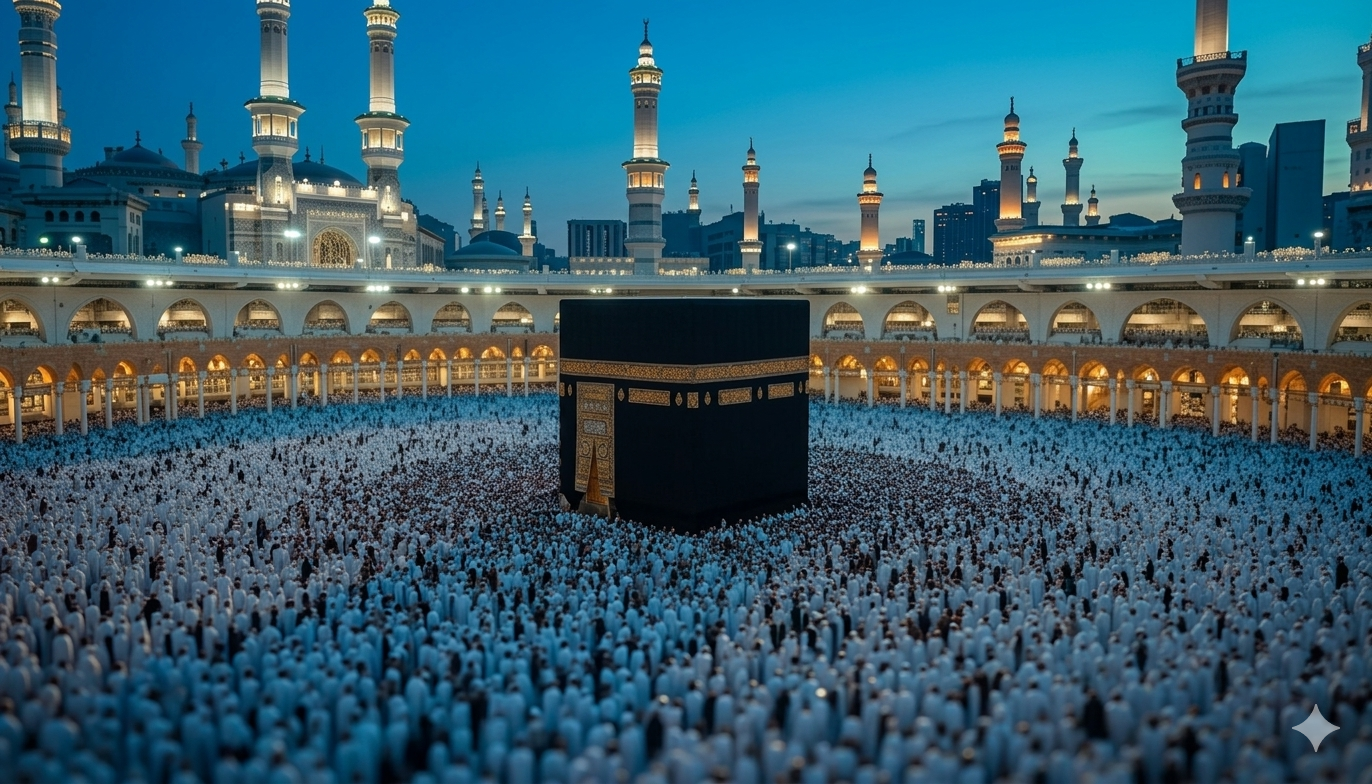
Hajj, the annual pilgrimage to Mecca, is a mandatory pillar of Islam for every adult Muslim possessing the physical and financial means. This sacred journey commemorates the devotion of Prophet Ibrahim and his family, serving as a spiritual peak for believers and a path toward the expiation of sins. For millions, it represents the ultimate demonstration of solidarity and submission to Allah.
The Theological Significance and Rituals of Hajj
Hajj is far more than a physical journey; it is a profound act of worship requiring sincere intention and spiritual devotion. By donning the Ihram, simple white garments, pilgrims strip away worldly status to embrace equality and humility. This state of consecration requires adhering to specific prohibitions, such as avoiding conflict and maintaining a focus on the divine.
Core Rites of the Pilgrimage
The essential rituals performed during the month of Dhu al-Hijjah include:
- Tawaf: Circumambulating the Kaaba in worship.
- Sa'i: Walking between the hills of Safa and Marwa.
- Wuquf: The pivotal standing in prayer on the plains of Arafat.
- Ramy al-Jamarat: The symbolic stoning of pillars representing Satan.
Hajj Badal: Understanding Proxy Hajj
Recognizing that chronic illness, old age, or disability may prevent some from traveling, Islamic jurisprudence offers the provision of Hajj Badal (Proxy Hajj). This allows a representative to perform the pilgrimage on behalf of someone unable to attend.
How the Proxy System Functions
A qualified individual acts as a representative, performing all prescribed rituals with the explicit intention of fulfilling the duty for the beneficiary. This ensures that those legitimately hindered, including the deceased who had the prior means, can still attain the spiritual rewards of the pilgrimage.
Umrah Badal and the Lesser Pilgrimage
Similarly, Umrah Badal allows for the lesser pilgrimage to be performed by proxy. While Umrah is not a pillar in the same way as Hajj, performing it on behalf of others is a highly virtuous act that extends the blessings of the sanctuary to the frail and elderly.
Major Types of Hajj Performance
Pilgrims typically choose between three methods of performance, depending on their circumstances:
- Hajj Tamattu: Performing Umrah first, then exiting Ihram before re-entering it for Hajj.
- Hajj Ifrad: Focusing solely on the Hajj rituals.
- Hajj Qiran: Combining Umrah and Hajj under a single state of Ihram.
Conclusion: A Sacred Responsibility
Hajj Badal reflects the mercy and flexibility inherent in Islamic teachings. It provides a pathway for spiritual completion for those bedridden or deceased. Choosing a reliable, knowledgeable proxy is essential, as the role is a sacred trust. Through these provisions, the global Ummah supports one another in fulfilling their most significant spiritual obligations.